Islamabad Sectors Explained: A Guide to the City’s Grid
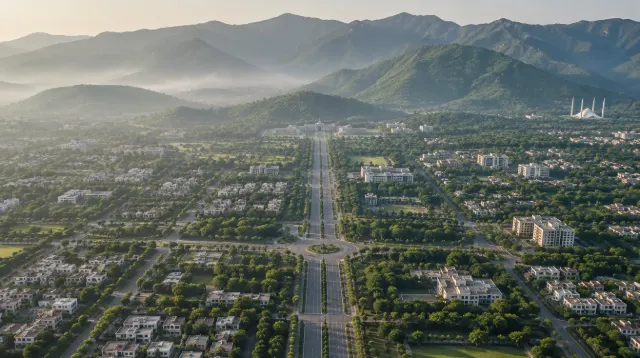
How Islamabad’s sector system works: what the letters and numbers mean, the character of E, F, G, H and I sectors, markazes, Blue Area and how addresses work.

The best day trips from Islamabad, with travel times and seasons: Murree, Patriata, Nathia Gali, Taxila, Khanpur Dam, Rohtas Fort, Katas Raj, Khewra and Naran.
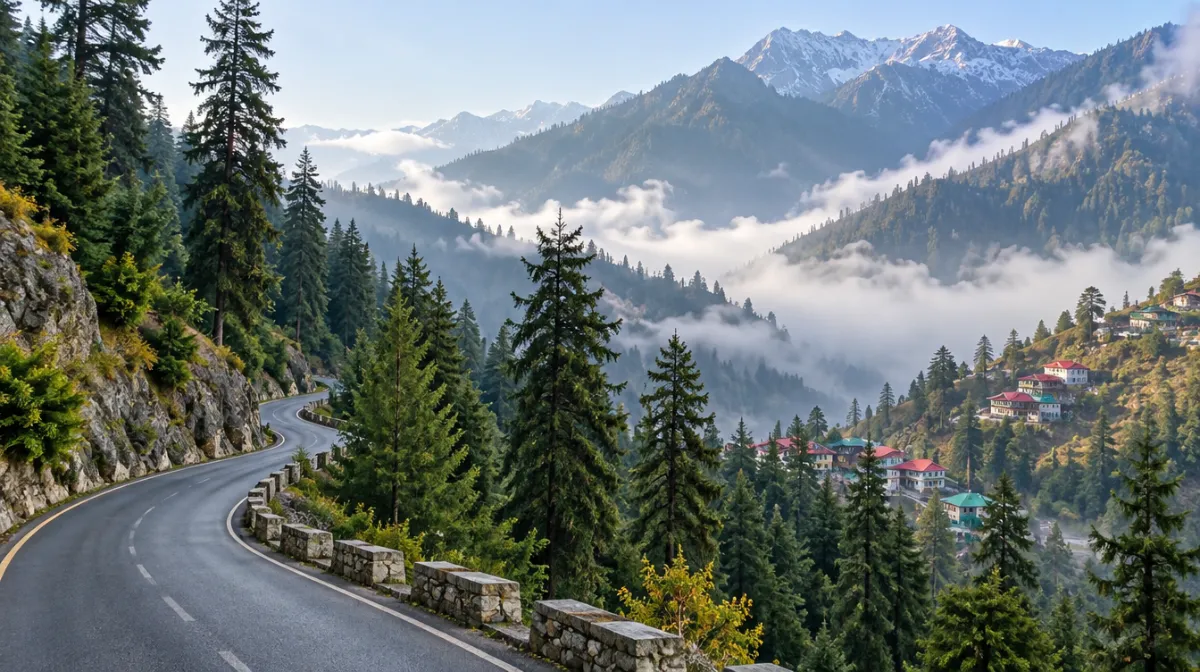
One of Islamabad’s great advantages is what lies within a few hours’ drive: pine-covered hill stations, ancient Buddhist cities, Mughal-era forts, lakes and, further north, the mountains. Closer to home, the Margalla Hills trails start at the edge of the city. Travel times below are approximate and depend on traffic and weather (see Islamabad’s weather month by month).
| Destination | Approx. drive | Best for | Best season |
|---|---|---|---|
| Murree | 1.5 hours | Classic hill station, Mall Road | Spring to autumn; snow in winter |
| Patriata (New Murree) | 1.5–2 hours | Chairlift and cable car | Spring to autumn |
| Nathia Gali and Ayubia | 2.5–3 hours | Forest walks, cooler air | Late spring to autumn |
| Taxila | 45 minutes–1 hour | Ancient ruins and museum | Autumn to spring |
| Khanpur Dam | 1–1.5 hours | Boating and water sports | Spring to autumn |
| Rohtas Fort | 2.5 hours | Massive 16th-century fort | Autumn to spring |
| Katas Raj Temples | 2.5 hours | Historic temple complex | Autumn to spring |
| Khewra Salt Mine | 2.5–3 hours | Salt tunnels and caverns | Year-round |
| Naran (weekend) | 6–7 hours | Mountains and lakes | Summer, when the road is open |
Pakistan’s best-known hill station is the easiest escape from summer heat. Walk Mall Road, ride up to Kashmir Point and enjoy the pine forests. It’s very busy at weekends and holidays, so go early or midweek.
A short drive beyond Murree, Patriata is known for its chairlift and cable car rising over forested slopes. Great for families.
The Galiyat hill stations are quieter and greener than Murree. Walk the Pipeline Track between Dunga Gali and Ayubia, or hike to Mushkpuri for sweeping views. Ayubia also has a chairlift.
Under an hour away, Taxila was a great centre of Buddhist learning and trade for centuries and is a UNESCO World Heritage Site. Start at the Taxila Museum, then visit the ruins of Sirkap and the Dharmarajika and Jaulian sites. Hire a local guide for the full story.
Built in the 1540s under Sher Shah Suri, Rohtas Fort near Jhelum is a UNESCO World Heritage Site with enormous walls and monumental gateways. Wear good shoes: the site is huge.
In the Salt Range, this complex of historic Hindu temples surrounds a sacred pond. It’s peaceful and photogenic, and easy to combine with a drive through the Salt Range.
One of the oldest and largest salt mines in the world, with illuminated tunnels, a salt mosque and glowing salt-brick displays. Pair it with Katas Raj for a full day.
A reservoir surrounded by hills, with boating, jet skis and cliff jumping in summer. Wear a life jacket for any water activity and choose licensed operators.
With a full weekend, head north through the Kaghan Valley to Naran for mountain scenery and, when the road is open, Lake Saiful Muluk. The route beyond Naran is usually open only in the warmer months, so check conditions before you set off.
Back in the city? See our list of the best things to do in Islamabad.
Murree, about an hour and a half by road, is the closest major hill station.
Yes. They are close to each other, so a morning at Taxila and an afternoon at Khanpur make a good day out.
Late spring to autumn for walking and cool air. Winter brings snow and beautiful scenery, but check road and weather warnings carefully.

Every article is edited by a human and checked against our editorial policy. Spotted a mistake? Tell us.
How Islamabad’s sector system works: what the letters and numbers mean, the character of E, F, G, H and I sectors, markazes, Blue Area and how addresses work.
The best things to do in Islamabad: Faisal Mosque, the Margalla Hills trails, Pakistan Monument, Lok Virsa, Saidpur Village, Rawal Lake, food streets and more.
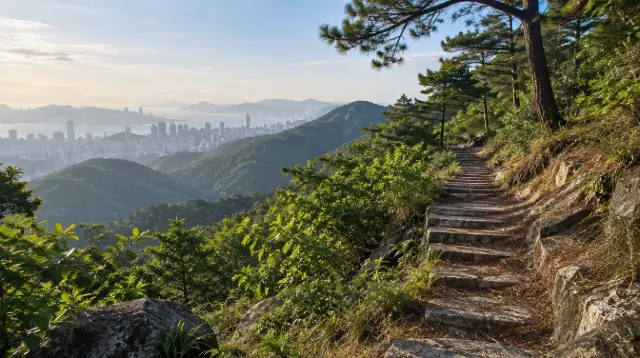
A guide to hiking the Margalla Hills: the popular numbered trails, difficulty and timings, the best seasons, wildlife and the safety rules to follow.