Schools in Islamabad Compared
Choosing a school in Islamabad: government, private and international schools compared, Matric vs Cambridge vs IB, and the questions to ask on a visit.

Islamabad’s weather month by month: typical temperatures and rainfall, the monsoon, the spring pollen season, winter chills and the best months to visit.
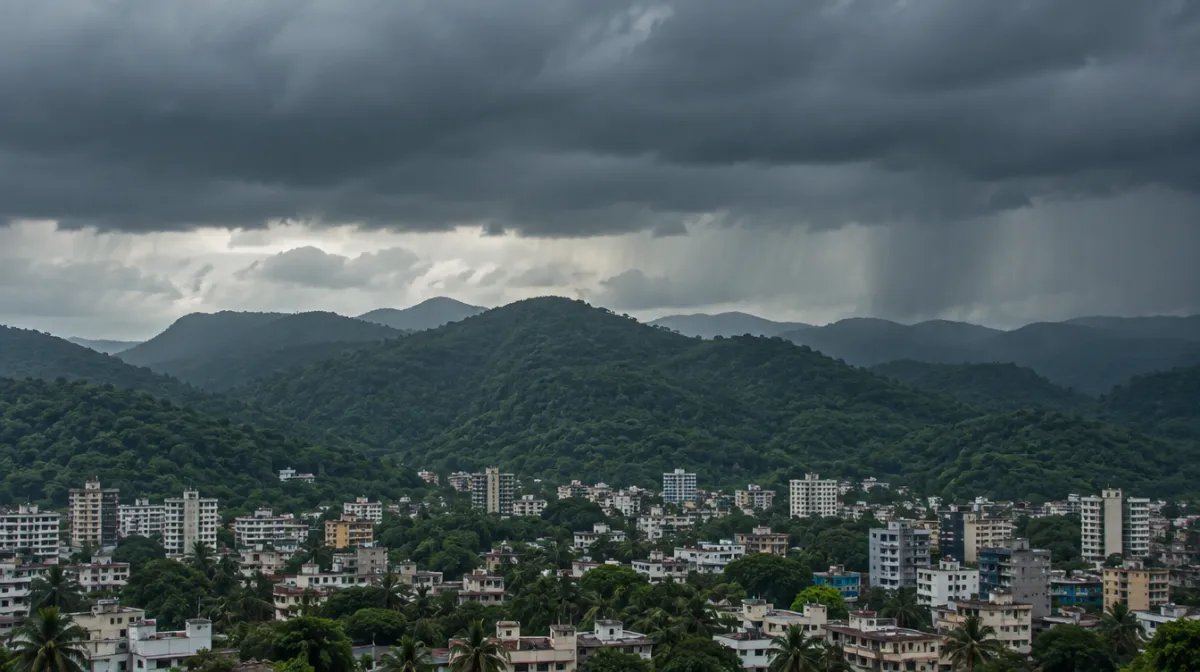
Islamabad has four distinct seasons, shaped by its position at the foot of the Margalla Hills. Summers are hot, the monsoon is heavy, winters are cool and spring is beautiful, unless you’re allergic to pollen. The figures below are approximate long-term averages; check the Pakistan Meteorological Department for forecasts and warnings.
| Month | Typical high | Typical low | What to expect |
|---|---|---|---|
| January | About 17°C | About 3°C | Coldest month; chilly nights, occasional rain |
| February | About 19°C | About 6°C | Cool and fresh; pollen season begins |
| March | About 24°C | About 11°C | Pleasant days; peak pollen; spring storms |
| April | About 30°C | About 16°C | Warm; pollen fading; occasional hail |
| May | About 36°C | About 21°C | Hot and dry; heatwaves possible |
| June | About 38°C | About 25°C | Hottest month; pre-monsoon storms |
| July | About 35°C | About 25°C | Monsoon: heavy downpours, high humidity |
| August | About 34°C | About 24°C | Monsoon continues; lush and green |
| September | About 33°C | About 21°C | Humidity eases; rains taper off |
| October | About 30°C | About 14°C | Clear, comfortable, great for hiking |
| November | About 24°C | About 8°C | Crisp mornings, sunny days |
| December | About 19°C | About 4°C | Cool; foggy mornings are possible |
Days are mild and sunny, but nights get cold, and many homes lack central heating, so gas heaters and warm clothes matter. Snow doesn’t fall in the city, but the hill stations nearby, such as Murree and Nathia Gali, often get snow. Read our guide to day trips from Islamabad before heading up, as winter roads can close.
The city blooms, and so does its pollen. Islamabad is known for a severe spring pollen season, driven largely by paper mulberry trees. Allergy sufferers often plan ahead with medication, masks and closed windows on high-pollen days. Spring can also bring sudden thunderstorms and hail.
Temperatures regularly pass 40°C during heatwaves. Plan outdoor activities for early morning or evening, drink plenty of water and watch for heat warnings. Power demand peaks, and electricity bills rise.
The monsoon brings heavy downpours, humidity and a burst of green across the hills. Storms can flood low-lying roads and streams, especially in parts of Rawalpindi. Avoid driving through flooded roads, and check warnings from the authorities before travelling to the mountains, where landslides can block routes.
Many residents’ favourite season: clear skies, cool mornings and warm afternoons. It’s the best time for hiking the Margalla Hills and outdoor events.
For comfortable weather, aim for October to November or late February to April, if pollen isn’t a problem for you. Plan around festivals and holidays with our Islamabad events calendar.
Not in the city itself, but snow is common in winter in the nearby hills around Murree and the Galiyat.
Mainly in spring, roughly February to April, with the peak usually in March.
July and August, during the monsoon, are usually the wettest months.

Every article is edited by a human and checked against our editorial policy. Spotted a mistake? Tell us.
Choosing a school in Islamabad: government, private and international schools compared, Matric vs Cambridge vs IB, and the questions to ask on a visit.
What drives the cost of living in Islamabad: rent by sector, utilities, groceries, transport, school fees and domestic help, with ways to keep costs down.
How to use the Rawalpindi–Islamabad Metrobus: the Red, Orange, Blue and Green lines, the airport route, feeder buses, fares, smart cards and tips for riders.