Schools in Islamabad Compared
Choosing a school in Islamabad: government, private and international schools compared, Matric vs Cambridge vs IB, and the questions to ask on a visit.

What drives the cost of living in Islamabad: rent by sector, utilities, groceries, transport, school fees and domestic help, with ways to keep costs down.
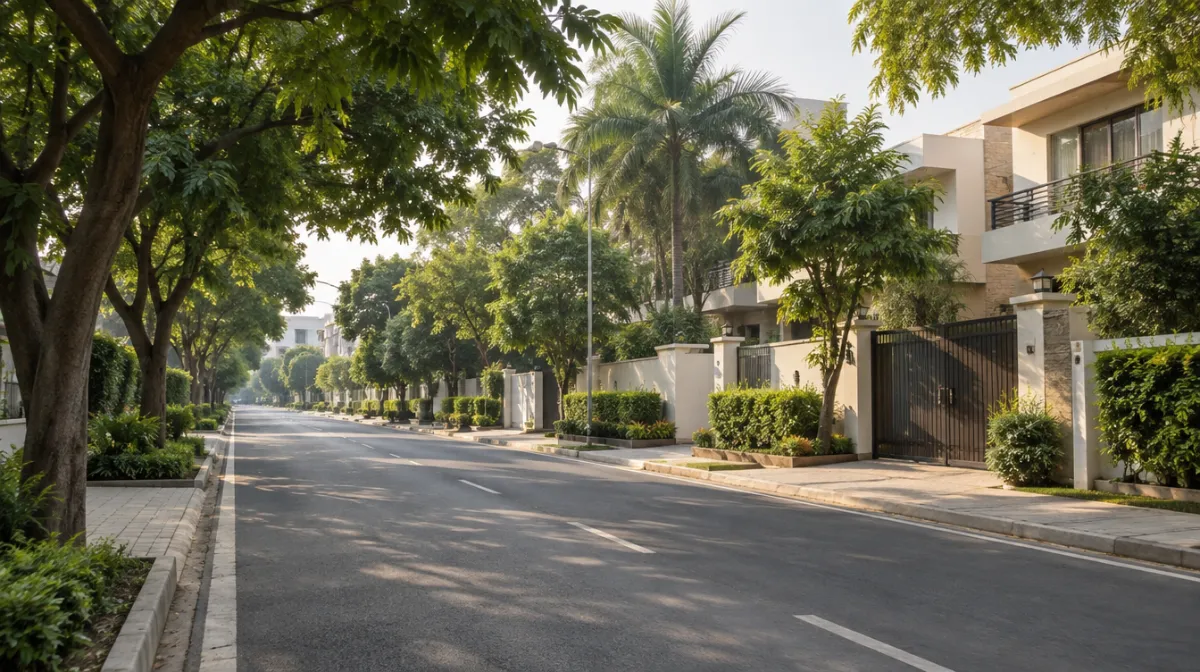
Islamabad is often described as Pakistan’s most expensive city to live in, but costs vary enormously depending on where you live and how. Prices change quickly with inflation and exchange rates, so this guide explains what drives costs rather than listing figures that date fast. Check current listings and bills before making a budget.
| Cost area | What drives it | Ways to save |
|---|---|---|
| Rent | Sector, size, portion vs whole house | Consider G sectors, newer sectors or housing societies |
| Electricity | Summer air conditioning, tariffs | Efficient inverter ACs, solar panels, insulation |
| Gas | Winter heating, supply shortages | Efficient heaters, backup options |
| Groceries | Supermarkets vs local markets | Weekly bazaars, seasonal produce |
| Transport | Fuel prices, distances | Metro bus, ride-hailing, living near work or school |
| Schools | Private school fees and extras | Compare fee structures carefully |
| Domestic help | Hours and responsibilities | Agree terms clearly in writing |
Rents follow the city’s sector map, explained in our guide to Islamabad’s sectors:
Many homes are rented in portions, such as a ground floor or upper floor, which can be much cheaper than a whole house. Landlords commonly ask for advance rent and a security deposit, so budget for a large upfront payment. Get a written tenancy agreement and check what’s included.
If you’re also considering Rawalpindi, compare costs and commutes in our guide to Islamabad vs Rawalpindi.
Solar panels have become popular as a way to cut electricity bills; get independent advice on costs and current rules before installing.
Local markets and weekly bazaars are usually cheaper than supermarkets, especially for fruit and vegetables. Eating out ranges from very cheap street food to expensive restaurants; see restaurants in Islamabad by sector. The metro bus is an inexpensive way to cross the twin cities.
For families, school fees are often the largest expense after rent, with admission fees, transport and books on top. Our guide to schools in Islamabad explains the options. Private healthcare and health insurance are also worth budgeting for.
Generally, yes, especially for rent. Rawalpindi often offers more space for the money, with longer commutes into Islamabad for some.
It varies, but advance rent plus a security deposit is common. Agree the amounts and refund conditions in writing.
Property portals, local classifieds and conversations with residents give the most up-to-date picture.

Every article is edited by a human and checked against our editorial policy. Spotted a mistake? Tell us.
Choosing a school in Islamabad: government, private and international schools compared, Matric vs Cambridge vs IB, and the questions to ask on a visit.
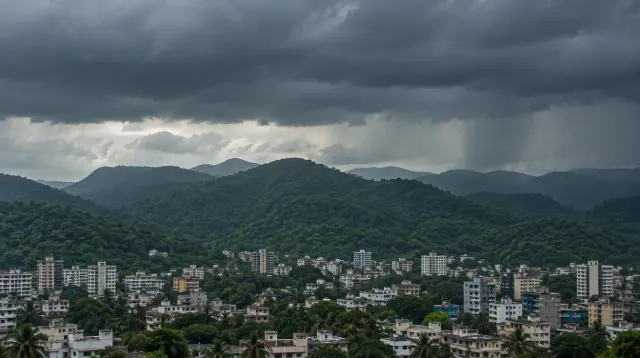
Islamabad’s weather month by month: typical temperatures and rainfall, the monsoon, the spring pollen season, winter chills and the best months to visit.
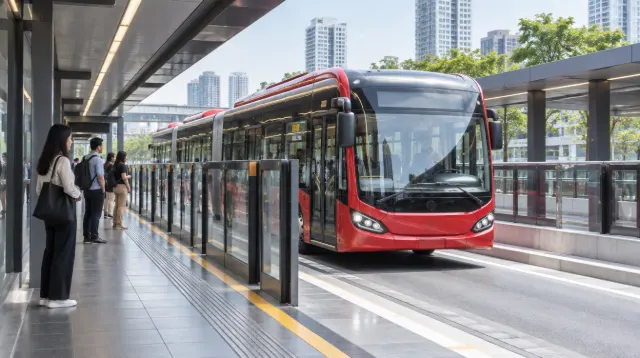
How to use the Rawalpindi–Islamabad Metrobus: the Red, Orange, Blue and Green lines, the airport route, feeder buses, fares, smart cards and tips for riders.