15 Best Things to Do in Islamabad
The best things to do in Islamabad: Faisal Mosque, the Margalla Hills trails, Pakistan Monument, Lok Virsa, Saidpur Village, Rawal Lake, food streets and more.

Where to eat in Islamabad, sector by sector: the food hubs of F-6, F-7 and Blue Area, street food in G-9 and G-6, and tips for eating out.
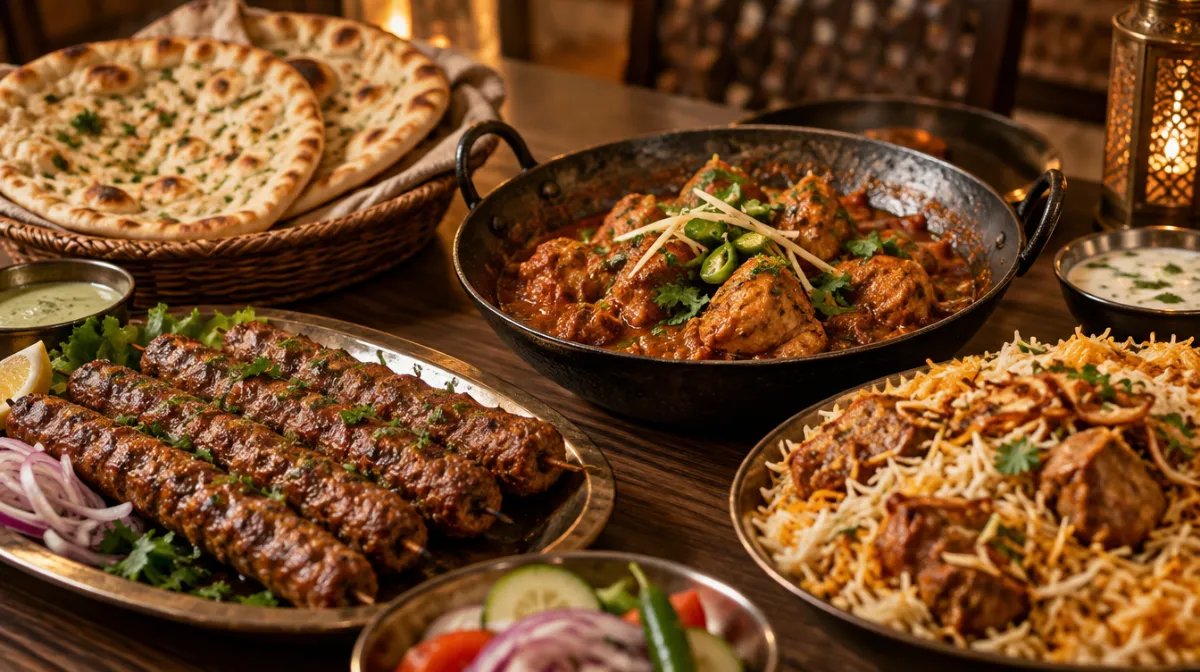
In Islamabad, where you eat is shaped by the city’s grid. Each sector has a central market, or markaz, and each market has its own mix of restaurants, bakeries and dhabas. Restaurants open and close often, so this guide focuses on where to go and what each area does best, rather than a list that will be out of date by next season. If you’re new to the grid, start with our guide to Islamabad’s sectors.
| Area | Known for | Best for |
|---|---|---|
| F-7 (Jinnah Super and around) | Dense mix of Pakistani, Afghan, Chinese and international restaurants | Dinner with friends, variety |
| F-6 (Super Market and Kohsar Market) | Cafés, bakeries and relaxed sit-down restaurants | Brunch, coffee, date nights |
| Blue Area | Offices, long-running Pakistani favourites and quick lunches | Business lunches, pulao kebab |
| G-9 (Karachi Company) and G-6 (Melody) | Busy street food and casual eateries | Chaat, tikka, samosas, late snacks |
| F-10 and F-11 markaz | Family restaurants, burger joints and desserts | Families, casual dinners |
| E-11 and newer sectors | Newer chains and fast-food outlets | Quick meals near home |
| Saidpur Village | Restaurants in a restored village setting below the hills | Visitors, evening outings |
For coffee and cafés, see our guide to cafés in F-6 and F-7, and for shopping between meals, markets and malls in Islamabad.
F-7 and F-6 have the widest choice, with Blue Area, F-10 and F-11 close behind. For street food, try G-9 and G-6.
Many people eat it regularly. Choose busy stalls where food is cooked fresh in front of you, and avoid raw salads and tap water if you have a sensitive stomach.
Alcohol isn’t served in regular restaurants in Islamabad.

Every article is edited by a human and checked against our editorial policy. Spotted a mistake? Tell us.
The best things to do in Islamabad: Faisal Mosque, the Margalla Hills trails, Pakistan Monument, Lok Virsa, Saidpur Village, Rawal Lake, food streets and more.
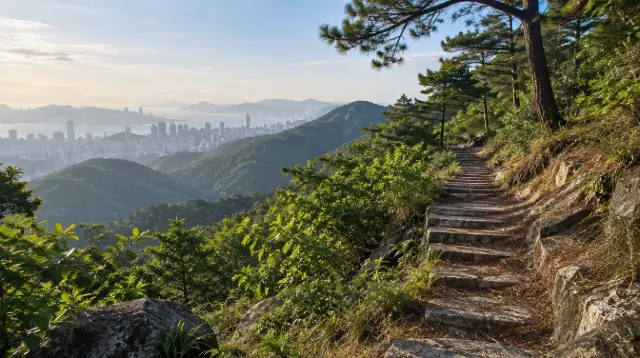
A guide to hiking the Margalla Hills: the popular numbered trails, difficulty and timings, the best seasons, wildlife and the safety rules to follow.
The best café areas in Islamabad’s F-6 and F-7: Kohsar Market, Super Market and Jinnah Super, from specialty coffee and chai to brunch and bakeries.