Margalla Hills Hiking Trails: Complete Guide
A guide to hiking the Margalla Hills: the popular numbered trails, difficulty and timings, the best seasons, wildlife and the safety rules to follow.

The best things to do in Islamabad: Faisal Mosque, the Margalla Hills trails, Pakistan Monument, Lok Virsa, Saidpur Village, Rawal Lake, food streets and more.
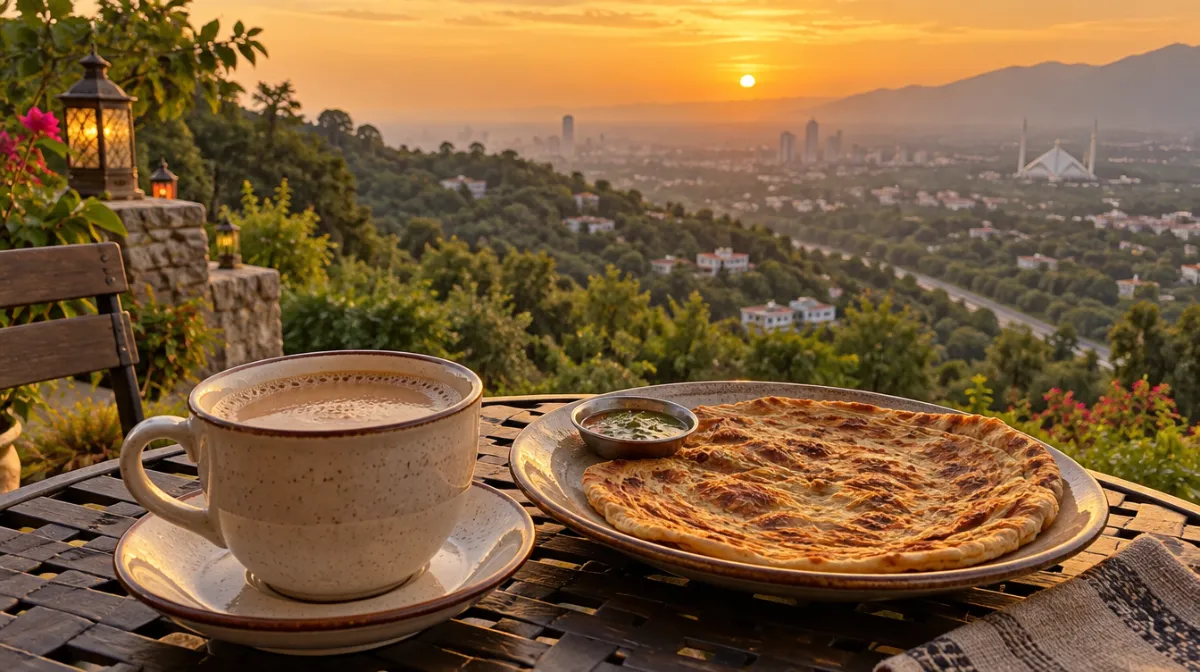
Islamabad is green, calm and easy to explore, with forested hills on one side and the old city of Rawalpindi on the other. It rewards visitors who slow down: an early walk in the hills, an afternoon in a museum, an evening over chai. Here are fifteen of the best things to do.
The city’s most famous landmark sits against the Margalla Hills at the northern end of Faisal Avenue. Designed by Turkish architect Vedat Dalokay and completed in 1986, its tent-like shape and four slender minarets are unlike any traditional mosque. Visitors are welcome outside prayer times; dress modestly, and women should bring a scarf.
On the Shakarparian hills, this national monument is shaped like a blooming flower, with petals representing the country’s provinces and territories. Visit at sunset for views over the city, and see the museum next door for an overview of Pakistan’s history.
Pakistan’s national heritage museum brings the country’s regional cultures to life through costumes, crafts, music and full-size displays. It’s one of the best museums in the country, and a good rainy-day plan.
This viewpoint in the Margalla Hills looks out across the whole city, with Faisal Mosque clearly visible below. It gets busy in the evenings and at weekends.
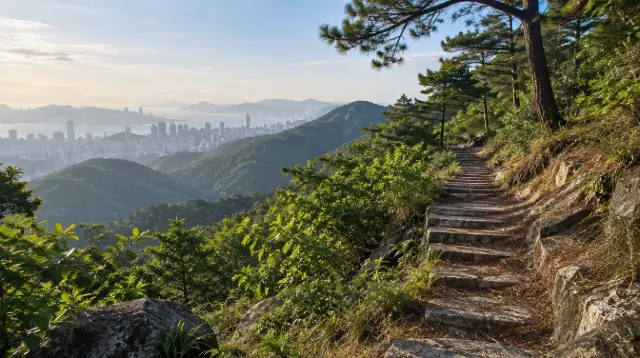
The Margalla Hills National Park has a network of numbered walking trails. Trail 3 is the most popular: a steep climb to a viewpoint that rewards you with sweeping city views. Start early in summer, carry water and stay on marked paths.
A centuries-old village at the foot of the hills, restored with cobbled lanes, old temples and a gurdwara, plus restaurants and craft shops. It’s lovely in the evening.
The reservoir on the city’s eastern edge has walking paths, boating and family attractions at Lake View Park. Sunset over the water is the highlight.
One of the largest urban parks in the region, with long walking tracks, open lawns and a sports complex. Locals come here to jog in the early morning.
The wooded Shakarparian area near the Pakistan Monument is great for picnics, and the nearby Rose and Jasmine Garden is at its best in spring.
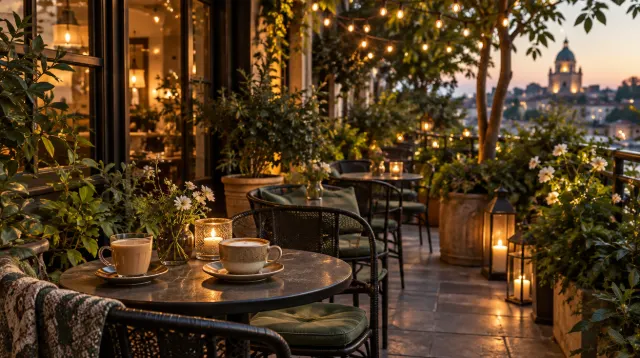
F-6’s Kohsar Market is known for its cafés and bookshops, while Jinnah Super in F-7 is a lively mix of shops, restaurants and street food.
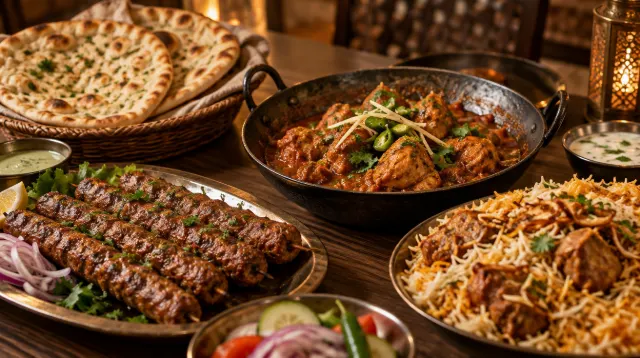
Islamabad’s food scene is best explored market by market. Try karahi, tikka and fresh naan at the food streets around Melody Market in G-6, desi breakfasts of halwa puri and chai, and the dessert and café culture of the F sectors.
The city’s best-known mall sits next to its tallest towers. It’s the place for international brands, a food court and a cinema.
At an old railway station on the city’s western edge, this museum displays historic locomotives, carriages and railway memorabilia. Train enthusiasts will love it.
On the city’s edge near the hills, these ancient caves and the old village around them are a quiet, atmospheric half-day trip.
At the top of the Margalla Hills, the Pir Sohawa area offers cooler air and views over the city, especially at sunset. Check current access and road conditions before you go.
Spring (March–April) and autumn (October–November) are the most pleasant seasons, with mild days and cool evenings. Summers are hot, and the monsoon brings heavy rain in July and August. Winters are cool and dry, with chilly nights.
Ride-hailing apps are the easiest way to get around. The Metro Bus links Islamabad with Rawalpindi along key routes. Most sights are spread out, so plan two or three areas per day. Learn how addresses work in our guide to Islamabad’s sectors.
Planning to head further afield? See our best day trips from Islamabad.
Two to three days covers the main sights, the hills and the food. Add a few more for day trips to Murree, Taxila or Nathia Gali.
Islamabad is generally considered one of Pakistan’s safest cities. As anywhere, stay aware of your surroundings and check your government’s travel advice before visiting.
Its planned layout and greenery, the Faisal Mosque, the Margalla Hills and its role as Pakistan’s capital.

Every article is edited by a human and checked against our editorial policy. Spotted a mistake? Tell us.
A guide to hiking the Margalla Hills: the popular numbered trails, difficulty and timings, the best seasons, wildlife and the safety rules to follow.
Where to eat in Islamabad, sector by sector: the food hubs of F-6, F-7 and Blue Area, street food in G-9 and G-6, and tips for eating out.
The best café areas in Islamabad’s F-6 and F-7: Kohsar Market, Super Market and Jinnah Super, from specialty coffee and chai to brunch and bakeries.