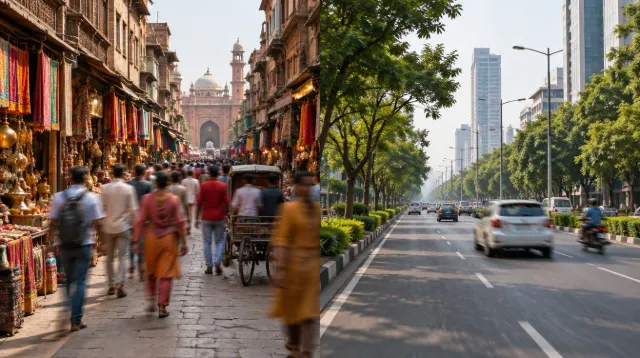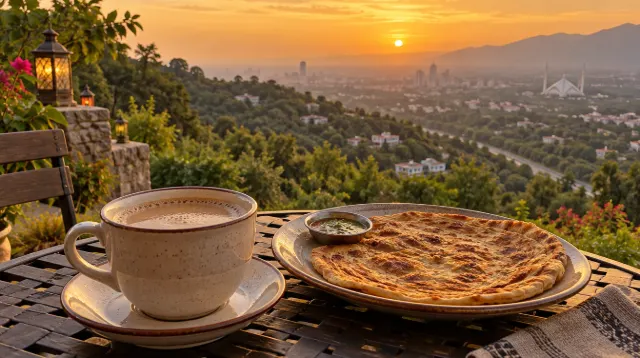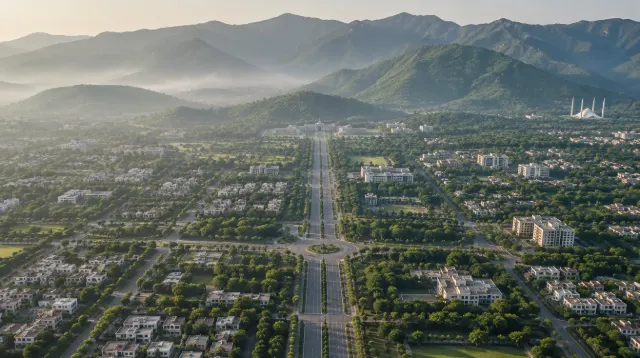
Islamabad Sectors Explained: A Guide to the City’s Grid
How Islamabad’s sector system works: what the letters and numbers mean, the character of E, F, G, H and I sectors, markazes, Blue Area and how addresses work.

A guide to shopping in Islamabad: sector markets like Jinnah Super and Super Market, Aabpara, the big malls, weekly bazaars, crafts and bargains.
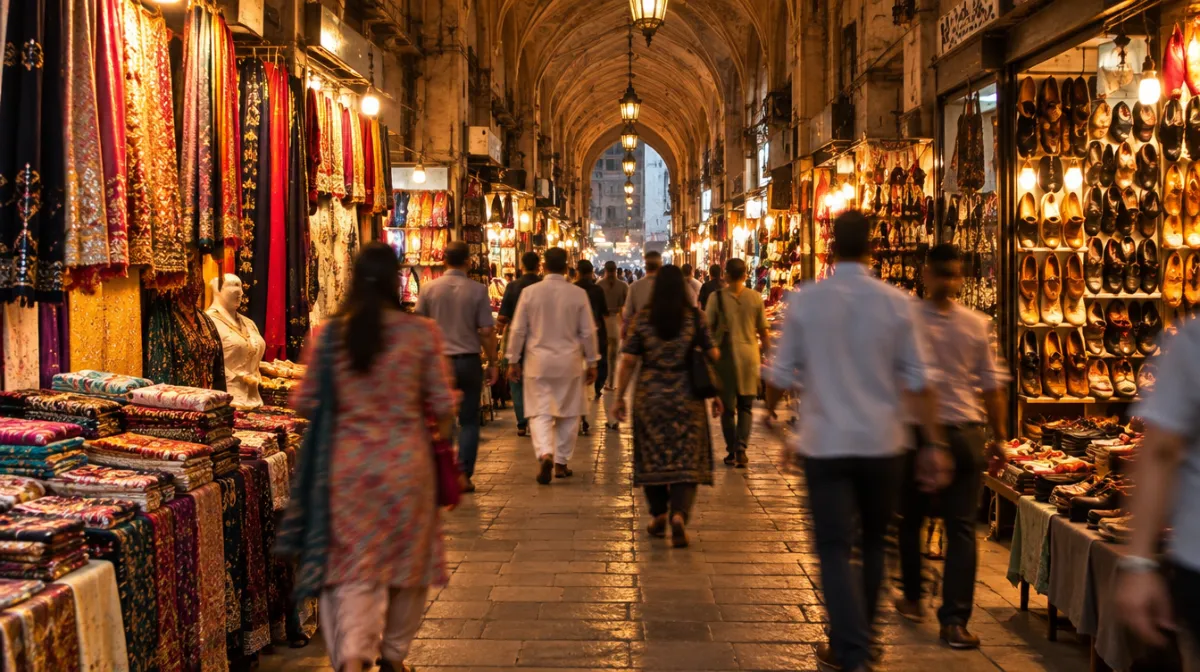
Shopping in Islamabad follows the city’s grid. Each sector has a central markaz with shops, banks, pharmacies and restaurants, and a few markets and malls draw people from across the twin cities. Here’s where to go for what.
| Market | Where | Best for |
|---|---|---|
| Super Market | F-6 Markaz | Clothes, bookshops, pharmacies, everyday errands |
| Kohsar Market | F-6/3 | Upmarket grocers, cafés, boutiques |
| Jinnah Super | F-7 Markaz | Fashion, shoes, tailors, restaurants |
| Aabpara Market | G-6 | Traditional bazaar: fabrics, household goods, bargains |
| Blue Area | Along Jinnah Avenue | Banks, offices, electronics, services |
| Karachi Company | G-9 Markaz | Affordable clothes, electronics, street food |
| F-10 and F-11 Markaz | F-10, F-11 | Family shopping, grocers, services |
Malls are busiest in the evenings and at weekends, and fill up before Eid.
The large weekly bazaar in H-9, often called the Itwar or Sunday bazaar, sells fresh produce, household goods, clothes and second-hand items at low prices. Go early for the best choice, and keep valuables secure in the crowds.
Hungry after shopping? See our guide to restaurants by sector, or grab coffee at one of the cafés in F-6 and F-7. New to the city layout? Start with Islamabad’s sectors explained.
Centaurus and Giga Mall are among the largest and best-known malls in the twin cities.
Lok Virsa, Saidpur Village and the handicraft shops in F-6 and F-7 are good places to start.
Many are, and Sunday is a busy shopping day. Some smaller shops close for part of the day; check before you go.

Every article is edited by a human and checked against our editorial policy. Spotted a mistake? Tell us.
How Islamabad’s sector system works: what the letters and numbers mean, the character of E, F, G, H and I sectors, markazes, Blue Area and how addresses work.
Islamabad or Rawalpindi? The twin cities compared for living: cost, space, commutes, schools, shopping, green space and flood risk, and who each city suits.
The best things to do in Islamabad: Faisal Mosque, the Margalla Hills trails, Pakistan Monument, Lok Virsa, Saidpur Village, Rawal Lake, food streets and more.