Islamabad Sectors Explained: A Guide to the City’s Grid
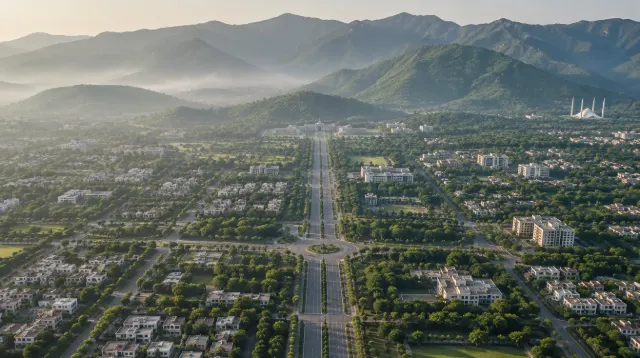
How Islamabad’s sector system works: what the letters and numbers mean, the character of E, F, G, H and I sectors, markazes, Blue Area and how addresses work.

Islamabad or Rawalpindi? The twin cities compared for living: cost, space, commutes, schools, shopping, green space and flood risk, and who each city suits.
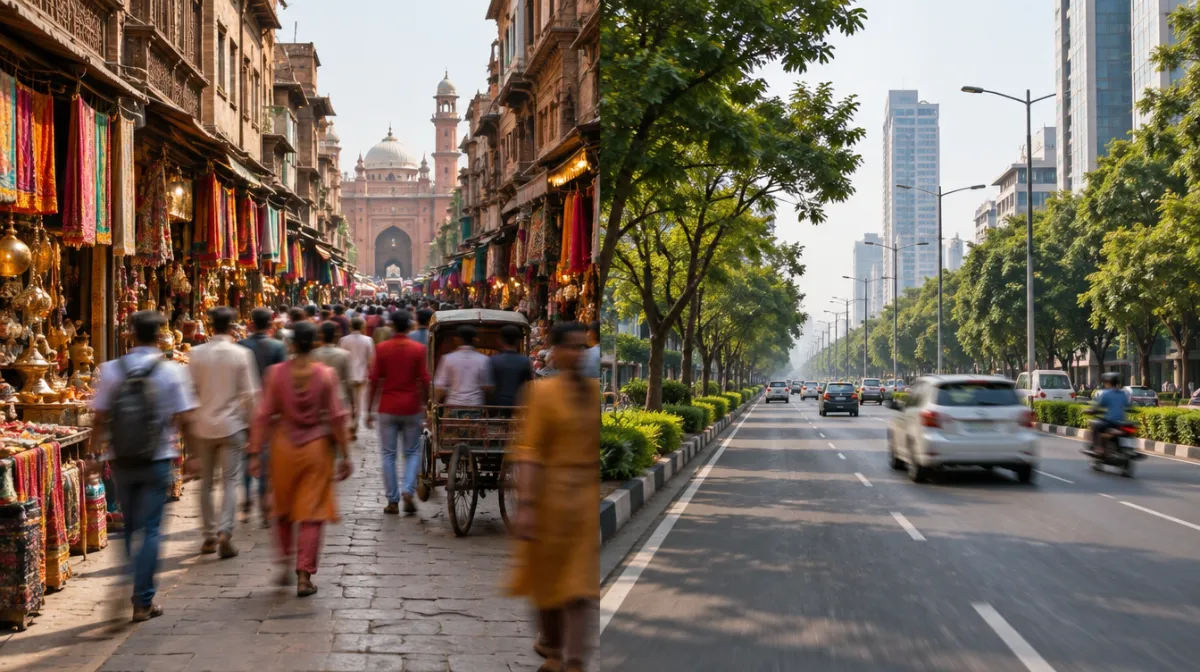
Islamabad and Rawalpindi are twin cities, joined at the hip but very different in character. Islamabad is the planned capital of wide avenues and sectors; Rawalpindi is the older, busier city of bazaars, cantonments and neighbourhoods with generations of history. Many people work in one and live in the other. Here’s how they compare.
| Factor | Islamabad | Rawalpindi |
|---|---|---|
| Layout | Planned grid of sectors | Older, organic neighbourhoods and cantonments |
| Housing costs | Higher, especially near the hills | Generally lower for the same space |
| Green space | Parks, tree-lined streets, Margalla Hills | Less green space in older areas |
| Traffic | Busy at peak times on main roads | Congested, especially in old city areas |
| Shopping | Sector markets and malls | Historic bazaars such as Raja Bazaar and Saddar |
| Monsoon flood risk | Localised | Higher in areas along Nullah Lai |
| Atmosphere | Calmer, quieter | Livelier, more traditional |
Islamabad’s sectors offer predictable layouts, markets within walking distance and easy access to the hills. Schools and hospitals are plentiful, and many embassies and head offices are here. The trade-off is cost: rents in the most sought-after sectors are among the highest in Pakistan. Our guide to Islamabad’s sectors explains the options, and our cost of living guide covers budgets.
Rawalpindi usually offers more space for the money, a strong local community feel and some of the region’s best traditional markets and food. Cantonment areas are orderly and well maintained. Older neighbourhoods can be crowded, and parts of the city near Nullah Lai are prone to flooding in heavy monsoon rain.
Large private housing societies along the Islamabad Expressway and GT Road, such as Bahria Town and DHA, straddle the two cities. They offer gated communities, parks and commercial areas, often with more space than central Islamabad, but longer commutes to its centre.
Families should also compare school options and journeys; see schools in Islamabad compared.
Generally, yes, especially for rent, though prime areas of both cities can be expensive.
It depends on where you live and the time of day. The Metrobus Red Line is often the most predictable option along its route.
Both have safer and more challenging areas. Check specific neighbourhoods, and talk to residents before you decide.

Every article is edited by a human and checked against our editorial policy. Spotted a mistake? Tell us.
How Islamabad’s sector system works: what the letters and numbers mean, the character of E, F, G, H and I sectors, markazes, Blue Area and how addresses work.
A guide to shopping in Islamabad: sector markets like Jinnah Super and Super Market, Aabpara, the big malls, weekly bazaars, crafts and bargains.
The best things to do in Islamabad: Faisal Mosque, the Margalla Hills trails, Pakistan Monument, Lok Virsa, Saidpur Village, Rawal Lake, food streets and more.