Schools in Islamabad Compared
Choosing a school in Islamabad: government, private and international schools compared, Matric vs Cambridge vs IB, and the questions to ask on a visit.

How to use the Rawalpindi–Islamabad Metrobus: the Red, Orange, Blue and Green lines, the airport route, feeder buses, fares, smart cards and tips for riders.
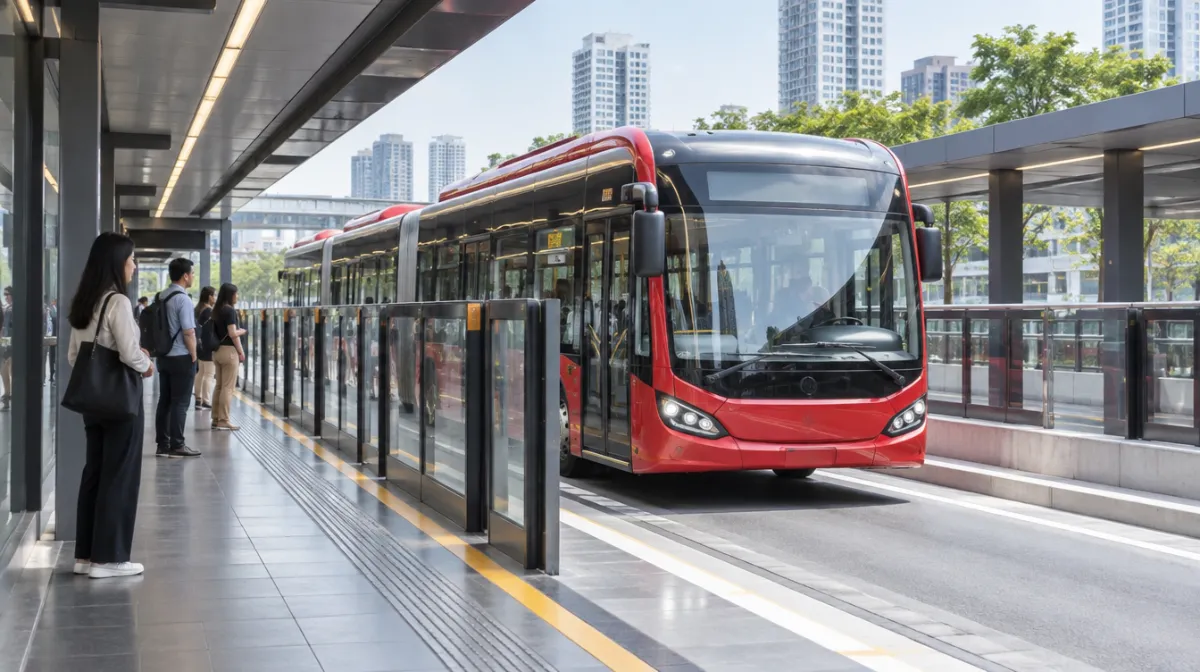
The Rawalpindi–Islamabad Metrobus is the fastest way to cross the twin cities without a car. Air-conditioned buses run on dedicated lanes along the busiest corridors, with feeder routes reaching deeper into the sectors. Here’s how the network works. Fares and routes are updated from time to time, so check the latest details before you travel.
| Line | Route | Notes |
|---|---|---|
| Red Line | Saddar (Rawalpindi) to Pak Secretariat (Islamabad) | The original line, opened in 2015, on a dedicated busway |
| Orange Line | Faiz Ahmed Faiz station to Islamabad International Airport | Serves G-9, G-10, the G-12 area and Golra on the way to the airport |
| Blue Line | PIMS to Gulberg Green | Runs along the Islamabad Expressway, in regular traffic |
| Green Line | PIMS to Bhara Kahu | Serves the eastern side of the city, in regular traffic |
| Electric feeder buses | Multiple routes across sectors | Connect neighbourhoods to the main lines |
The Red Line runs through the heart of Islamabad along Jinnah Avenue, with stops such as Pak Secretariat, Parade Ground, Shaheed-e-Millat, 7th Avenue and PIMS, before continuing along IJP Road and into Rawalpindi’s Murree Road to Saddar.
At the time of writing, Red Line journeys cost less than rides on the Orange, Blue and Green lines and feeder buses, which share a higher flat fare. Fares have changed several times, so check current prices at stations.
Buses generally run from early morning until about 10pm. The Red Line is the most frequent, with buses every few minutes at peak times; other lines and feeder buses run less often.
If you live and work near the Red Line, the Metrobus can replace a car for daily commutes. It’s also a big factor when choosing between the twin cities; see Islamabad vs Rawalpindi: where to live. For how the sectors fit together, read Islamabad’s sectors explained, and for transport in your household budget, our cost of living guide.
Yes. The Orange Line connects Islamabad to Islamabad International Airport.
Not for single trips, but a card is cheaper and quicker if you ride regularly.
Services usually run, sometimes with changes on major holidays and during security events. Check announcements.

Every article is edited by a human and checked against our editorial policy. Spotted a mistake? Tell us.
Choosing a school in Islamabad: government, private and international schools compared, Matric vs Cambridge vs IB, and the questions to ask on a visit.
Islamabad’s weather month by month: typical temperatures and rainfall, the monsoon, the spring pollen season, winter chills and the best months to visit.
What drives the cost of living in Islamabad: rent by sector, utilities, groceries, transport, school fees and domestic help, with ways to keep costs down.